Blog

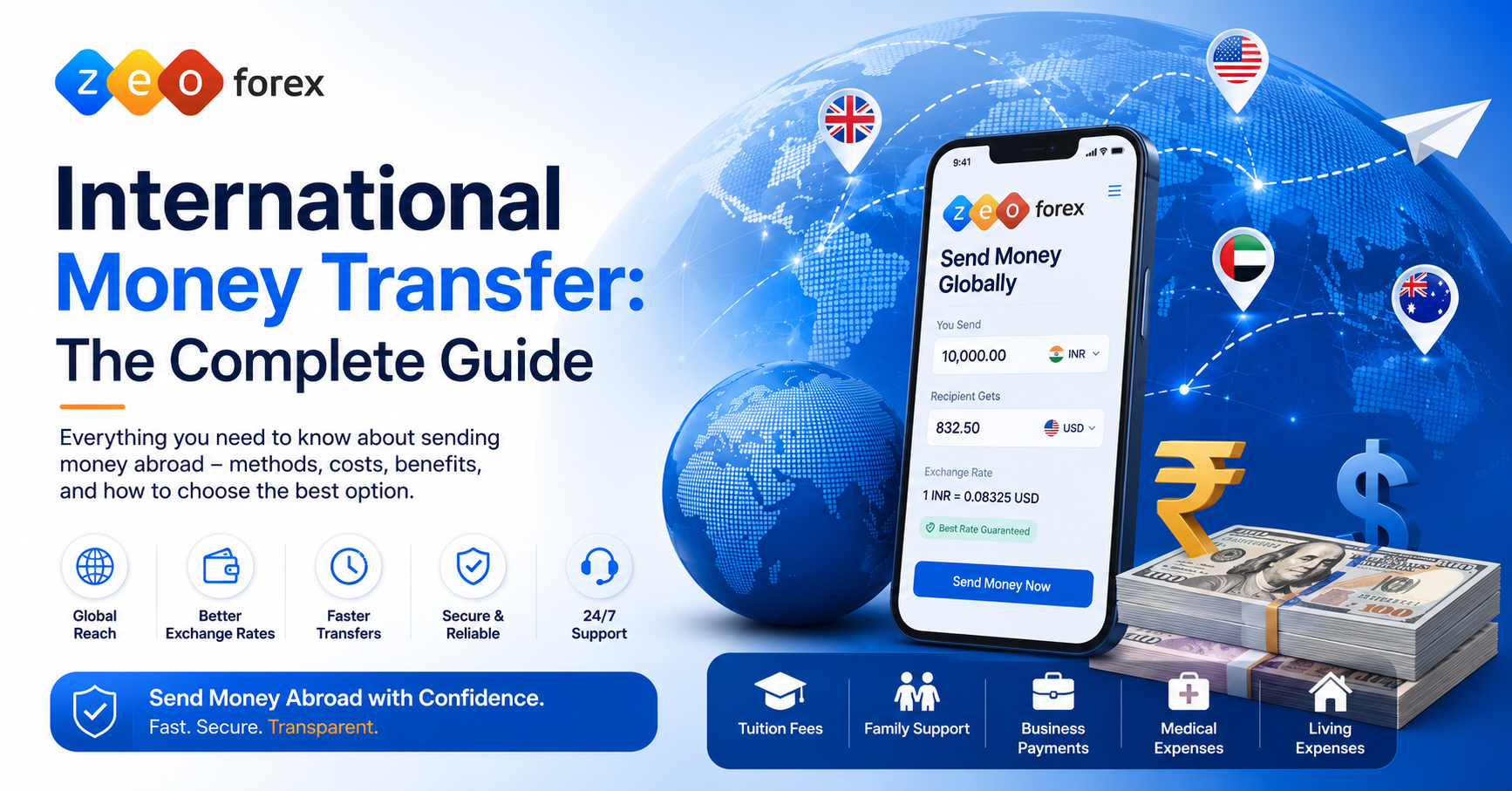
International Money Transfer: The Complete Guide
International Money Transfer: The Complete Guide

Quick Answer

An international money transfer is the process of sending funds from one country to another, usually converting one currency into another along the way. It can happen through banks, online platforms or dedicated remittance services, and is commonly used for tuition payments, family support, migration expenses and business transactions.

Introduction

Sending money across borders used to mean a trip to the bank, a stack of paperwork and a nervous wait to see if the funds actually arrived. That picture has changed a lot. International money transfers are no longer limited to banks. Today, digital platforms make sending money abroad faster, more transparent and more convenient than ever.

Whether you are a parent sending living expenses to a child studying overseas, a business paying an overseas vendor or someone supporting family back home, understanding how these transfers work can save you time, money and a fair amount of stress. This guide walks through everything from the basics of how transfers work to how to pick a provider you can trust.

TL;DR

  • An international money transfer moves funds between countries, typically converting currency along the way
  • Common methods include bank transfers, online platforms and remittance services, each with different costs and speeds
  • Exchange rates, fees and processing time are the three biggest factors to compare between providers
  • Students, families and businesses are the most common users of cross-border payments
  • Choosing a secure, transparent provider matters more than chasing the lowest advertised fee

What Is an International Money Transfer?

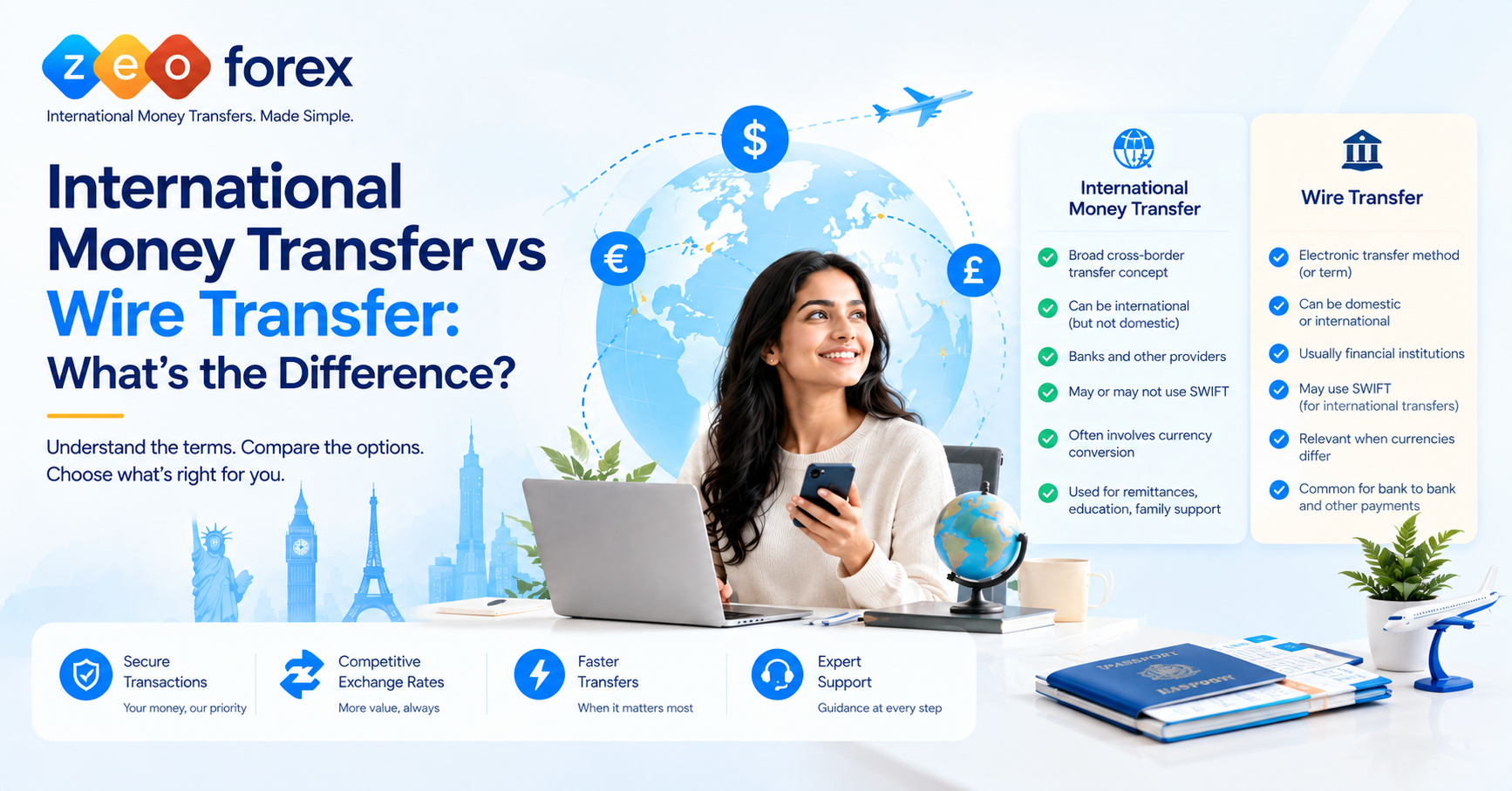
An international money transfer is the movement of funds from a sender in one country to a recipient in another, usually involving a currency conversion somewhere in the process.

Domestic vs International Transfers

A domestic transfer moves money within the same country and currency. An international transfer crosses borders and often crosses currencies too, which introduces exchange rates, additional verification steps and sometimes longer processing times.

Common Terminology

A few terms come up constantly in this space. The sender is the person initiating the transfer. The beneficiary or recipient is the person receiving the funds. The exchange rate determines how much of the destination currency the recipient gets. And remittance generally refers to money sent home by someone living or working abroad.

Why International Money Transfers Are Important

Cross-border payments have quietly become part of everyday life for millions of people.

  • Global education relies on families being able to pay tuition and living costs to institutions in other countries
  • International migration means workers regularly send money home to support family
  • Global business depends on companies paying overseas suppliers, contractors and partners
  • Family support keeps money flowing between relatives separated by borders, whether for emergencies or regular support

Who Uses International Money Transfers?

A wide range of people rely on these services for very different reasons.

  • Students studying abroad who need funds for tuition and daily expenses
  • Parents supporting students who send regular payments to cover living costs
  • Families sending financial support to relatives in another country
  • Businesses making overseas payments to suppliers, vendors or remote employees
  • Universities receiving tuition fees directly from students or their families

Common Reasons People Send Money Abroad

The purpose behind a transfer often shapes which method makes the most sense.

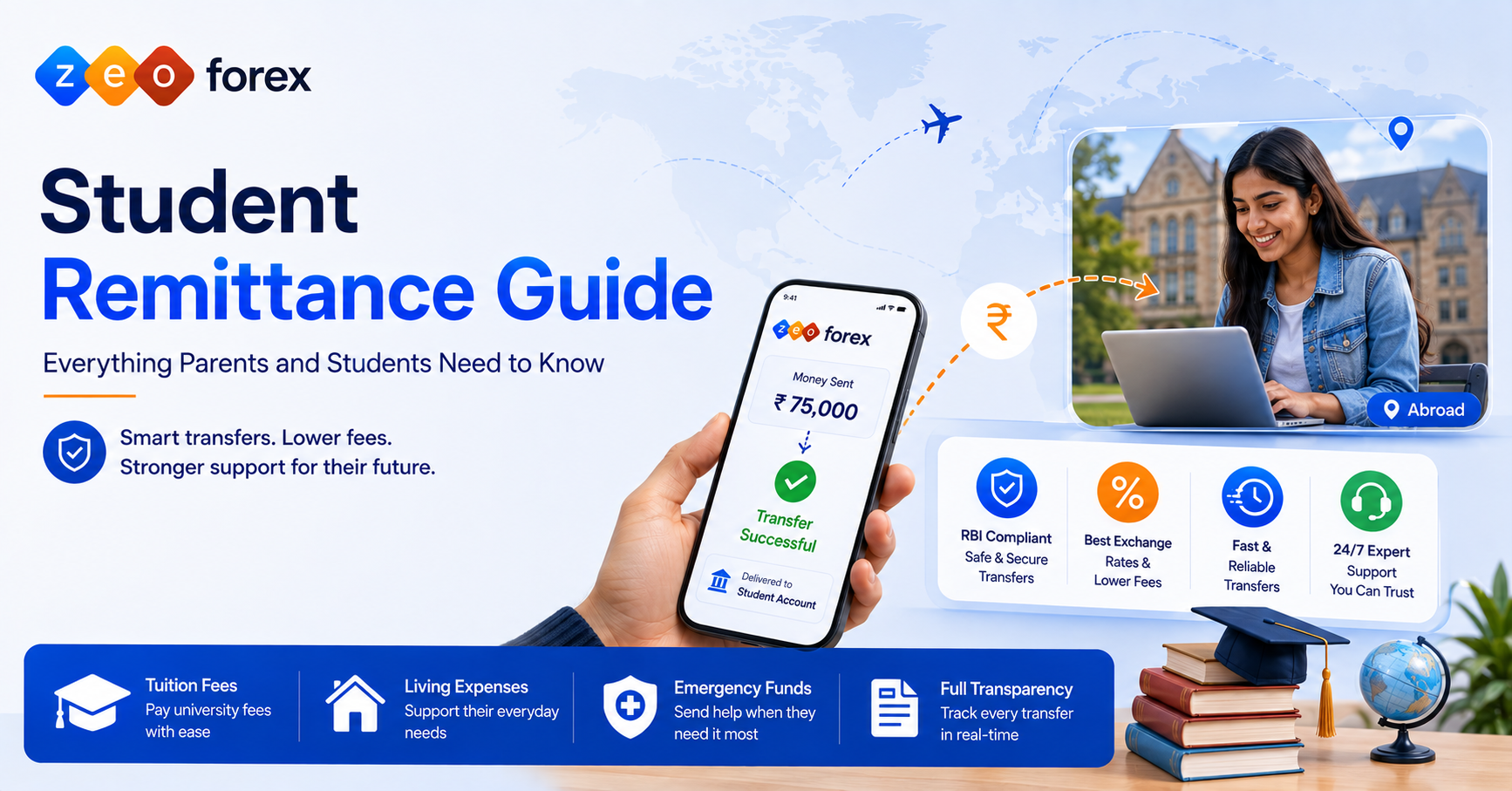
1. Paying University Tuition Fees: Large one time or semester based payments made directly to an institution’s bank account, often requiring specific documentation.

2. Sending Living Expenses: Smaller, more frequent transfers sent to cover rent, food and daily costs for someone studying or working abroad.

3. Medical Treatment: Funds sent to cover treatment costs when a family member is receiving care in another country.

4. Family Maintenance: Regular support sent to relatives, often on a monthly basis, to help cover household expenses.

5. Business Payments: Payments to overseas suppliers, contractors or partners as part of normal business operations.

How International Money Transfers Work

The process looks complicated from the outside, but it generally follows the same basic steps regardless of provider.

1. Initiating the transfer by entering the amount, currency and recipient details on the platform or at the bank
2. Identity verification where the sender confirms their identity and often the purpose of the transfer
3. Currency conversion where the sending currency is converted into the recipient’s currency at the provider’s exchange rate
4. Payment processing as the funds move through banking or payment networks to reach the destination
5. Recipient receives funds either into a bank account, a mobile wallet or, less commonly now, in cash

Common International Money Transfer Methods

Different methods suit different needs, and the right choice usually depends on speed, cost and how much control you want over the process.

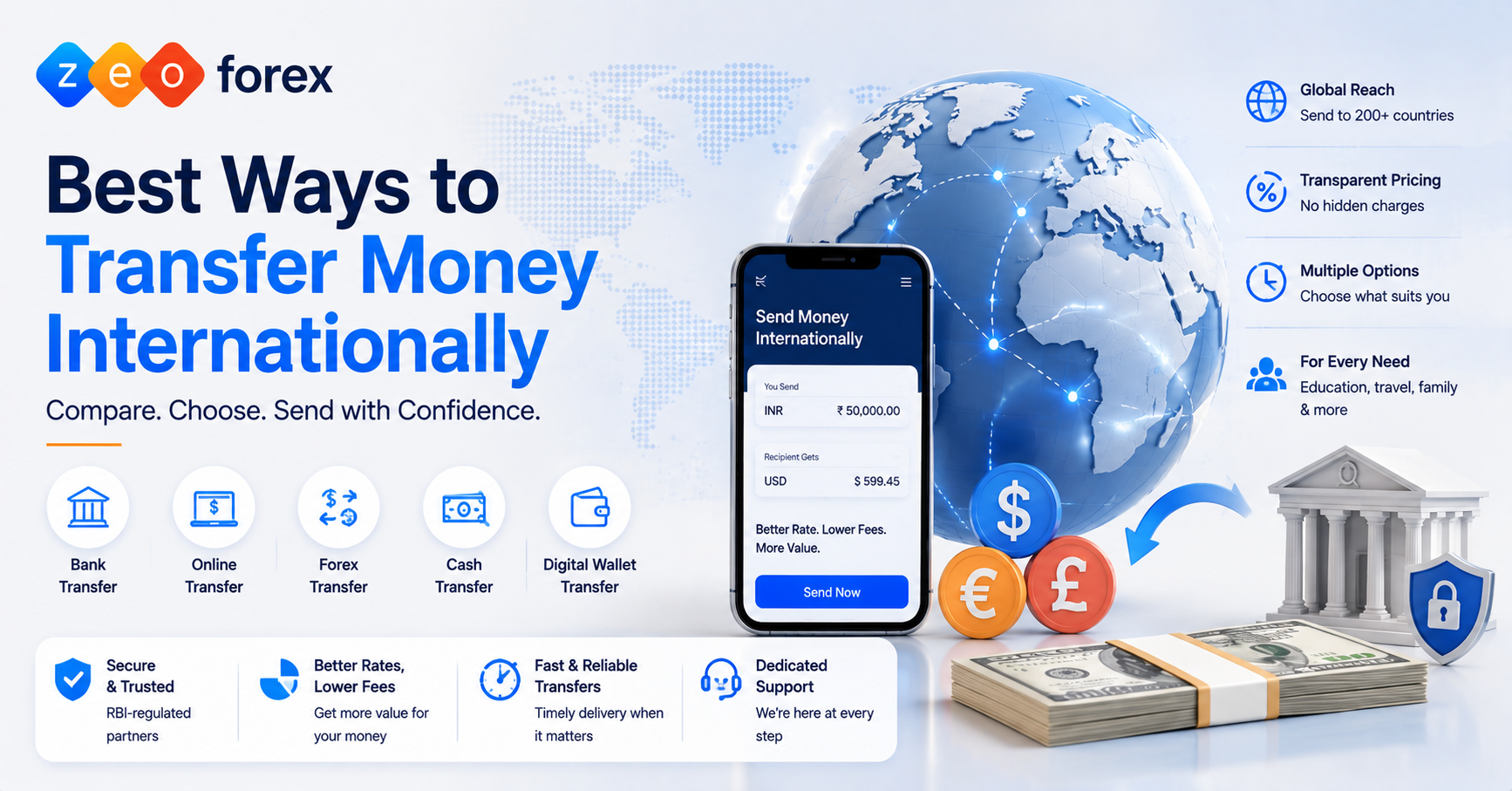
1. Bank Transfers: Sending money directly through your bank, often via the SWIFT network, tends to be familiar and trusted but can come with higher fees and slower processing.

2. Online Money Transfer Platforms: Digital platforms built specifically for cross-border payments typically offer better exchange rates, lower fees and faster transfers than traditional banks.

3. International Remittance Services: Services focused on personal transfers, often used for family support, tend to prioritize speed and accessibility, including cash pickup in some cases.

4. SWIFT Transfers: SWIFT is the global messaging network banks use to communicate international transfers. It is reliable and widely used, though transfers can pass through multiple intermediary banks, which sometimes adds cost and delay.

MethodTypical SpeedTypical CostBest For
Bank transfer2 to 5 business daysHigher fees, weaker ratesLarge, formal payments
Online transfer platformMinutes to 1-2 daysLower fees, better ratesRegular personal or business transfers
Remittance serviceMinutes to same dayModerate feesFamily support, urgent transfers
SWIFT transfer1 to 5 business daysVariable, often includes intermediary feesBank to bank institutional payments

Key Factors to Consider Before Sending Money Abroad

Before choosing how to send your next transfer, weigh these factors against each other.

  • Exchange rates since even a small difference can add up on larger transfers
  • Transfer fees which vary widely between banks and online platforms
  • Processing time especially if the recipient needs funds urgently
  • Security including how the provider protects your personal and financial information
  • Supported countries since not every provider covers every destination
  • Transfer limits which can affect larger payments like tuition fees
  • Customer support availability if something goes wrong mid transfer

Benefits of Using Online International Money Transfer Services

Digital platforms have become the preferred option for a growing number of senders, and for good reason.

  • Faster transfers that often complete within hours instead of days
  • Transparent pricing that shows fees and exchange rates upfront before you commit
  • Convenient digital experience that lets you send money from a phone without visiting a branch
  • Better tracking with real time updates on where your transfer stands
  • Competitive exchange rates that are frequently better than what traditional banks offer

Common Challenges and Risks

Even with better technology, a few risks are worth watching for.

RiskHow to Avoid It
Incorrect recipient informationDouble check account numbers and names before submitting
Exchange rate fluctuationsLock in rates where possible if timing matters
Hidden feesCompare total cost, not just the advertised fee
Processing delaysChoose providers with clear, realistic delivery timelines
Fraud and scamsOnly use verified, reputable providers for every transfer

How to Choose the Right International Money Transfer Provider

A structured comparison beats picking whichever option shows up first in a search.

  • Compare fees across a few providers for the exact amount and destination you need
  • Evaluate exchange rates since the rate often matters more than the advertised fee
  • Review security measures to confirm the provider protects your data properly
  • Check customer support availability in case an issue comes up
  • Consider transfer speed based on how urgently the recipient needs the funds
  • Assess ease of use so the process does not become a hassle every time you send money

Best Practices for Safe Cross-Border Payments

A few simple habits go a long way toward avoiding costly mistakes.

  • Verify recipient details carefully before every transfer, especially account numbers
  • Compare rates before sending rather than assuming your usual provider is still the cheapest
  • Keep transaction records for every transfer in case you need to reference them later
  • Use trusted providers with a clear track record and visible security practices
  • Understand applicable requirements such as documentation needed for larger transfers

Frequently Asked Questions

What is an international money transfer?
It is the process of sending funds from one country to another, usually involving a currency conversion along the way.

How does an international money transfer work?
The sender initiates the transfer, identity is verified, currency is converted, and the funds are processed and delivered to the recipient.

What is the safest way to send money abroad?
Using a reputable, verified provider with clear security practices and transparent pricing is generally the safest approach.

How can I send money abroad from India?
Through a bank, an online transfer platform or a dedicated remittance service, depending on speed and cost preferences.

What documents are generally required for an international money transfer?
Typically identification, recipient bank details and, for larger amounts, documentation showing the purpose of the transfer.

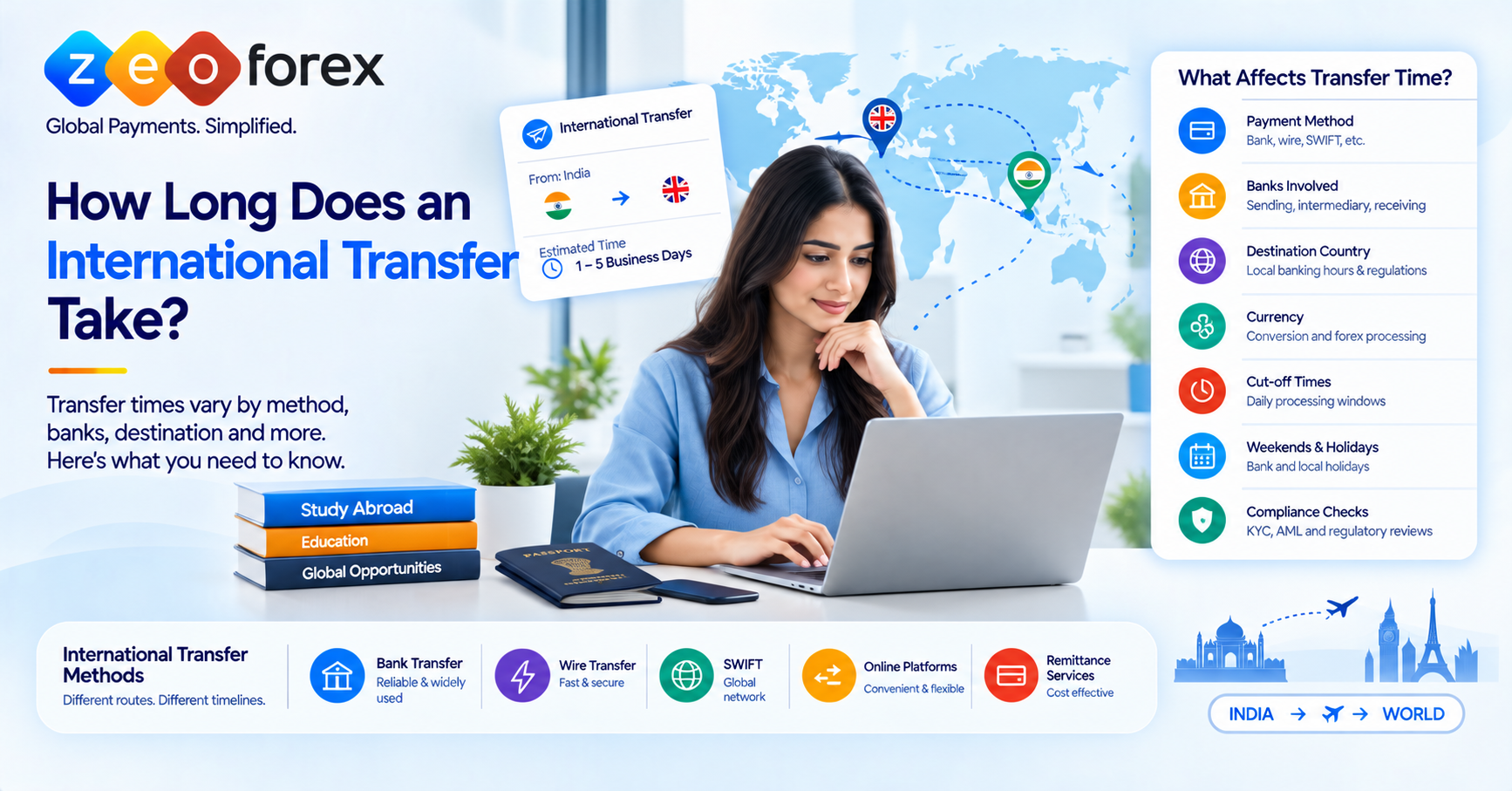
How long do international money transfers take?
Anywhere from minutes to several business days, depending on the method and destination.

What factors affect transfer speed?
The method used, the destination country, and whether intermediary banks are involved in processing.

What fees are involved in overseas money transfers?
Fixed transfer fees, exchange rate markups and occasionally intermediary bank charges.

How are exchange rates determined?
They fluctuate based on global currency markets, and each provider applies its own margin on top of the market rate.

What is the difference between a bank transfer and an online money transfer service?
Bank transfers tend to be slower and more expensive, while online platforms often offer faster processing and better rates.

What is a SWIFT transfer? It is a bank to bank transfer sent through the SWIFT messaging network, commonly used for larger or institutional payments.

Can I track an international money transfer?
Most online platforms provide real time tracking, while bank transfers may offer more limited visibility.

What are cross-border payments?
Any payment where the sender and recipient are located in different countries, often involving currency conversion.

What is an international remittance?
Money sent by someone living or working abroad back to family or contacts in their home country.

How can I avoid hidden transfer fees?
Compare the total cost including the exchange rate, not just the advertised transfer fee.

What mistakes should I avoid when sending money overseas?
Double check recipient details, avoid rushing without comparing providers, and never use unverified services.

Are online money transfer platforms secure?
Reputable platforms use strong encryption and identity verification, though it is worth checking each provider’s specific security practices.

How do I choose the right money transfer provider?
Compare fees, exchange rates, speed, security and support before settling on a provider for regular use.

What are common reasons people transfer money internationally?
Tuition payments, living expenses, family support, medical treatment and business payments are among the most common.

What should I do if my transfer is delayed?
Contact the provider’s customer support with your transaction reference to get an update on the status.

Conclusion

International money transfers have come a long way from paperwork heavy bank visits. Whether you are paying tuition, supporting family or handling a business payment, understanding exchange rates, fees and provider options puts you in a much stronger position to make a smart choice. Overseas money transfer no longer needs to be confusing or expensive if you know what to compare.

Take the time to weigh your options against the factors covered in this guide rather than defaulting to whichever provider you have always used. A secure, transparent and well suited transfer method can save you real money over time, especially if you send funds abroad regularly.